

Douglas P. Kiel, MD, MPH
Director Musculoskeletal Research Center and Senior Scientist, Marcus Institute for Aging Research
Associate Member, Broad Institute of MIT & Harvard
Professor of Medicine, Harvard Medical School
Dr. Kiel's research focuses on the epidemiology of osteoporosis and related fractures, including lifestyle factors, biomarkers, and genetic factors. He is also interested in sarcopenia and its consequences, including falls and disability. He also has conducted multiple clinical trials targeting the musculoskeletal system. He leads the Framingham Osteoporosis Study, and serves in leadership roles for many organizations including the NIH, American Society for Bone and Mineral Research, National Osteoporosis Foundation, and the Joint Commission.

David Karasik, PhD
Associate Scientist, Marcus Institute for Aging Research
David Karasik's overall research focus is in the area of interpersonal variability of aging, ranging from morphological changes in ossified tissues to the genetics of age-related conditions, such as osteoporosis, sarcopenia (muscle wasting), and menopause. His special interest is in identifying the pleiotropic genetic factors governing multiple aging-related traits.
Dr. Karasik has many years of teaching Human Gross Anatomy and Genetic Epidemiology. Currently, he is serving as Head of the Musculoskeletal Genetics lab at the Azrieli Faculty of Medicine, Bar Ilan University, Israel, where he studies zebrafish as a model of human disease.

Yi-Hsiang (Sean) Hsu, MD, ScD
Associate Director Geriomics Program, Marcus Institute for Aging Research
Program for Quantitative Genomics
Molecular and Integrative Physiological Sciences Program, Harvard School of Public Health.
Assistant Professor of Medicine, Department of Medicine, Beth Israel Deaconess Medical Center and Harvard Medical School
Associate Member, Broad Institute of MIT & Harvard
Dr. Hsu’s research is focused on (1) the genetic contribution to common aging relevant disorders using population-based next generation, whole genome sequencing, exome-sequencing and GWAS approaches; (2) statistical method development on multiple-phenotype association analyses; and (3) identifying biomarkers of osteoporosis using metabolomics.

Michelle Yau, PhD
Assistant Professor of Medicine, Harvard Medical School and Beth Israel Deaconess Medical Center
Assistant Scientist, Marcus Institute for Aging Research
Affiliate Member, Broad Institute of MIT & Harvard
Dr. Michelle Yau is an Assistant Professor of Medicine at Harvard Medical School and an investigator in the Musculoskeletal Research Group at the Marcus Institute for Aging Research, Hebrew SeniorLife. Her research focuses on identifying the genetic/genomic contributions to common age-associated conditions such as osteoarthritis (OA), osteoporosis, and intervertebral disc degeneration.
Dr. Yau’s current research aims to identify the genetic components of OA and its relationship to bone. She is particularly interested in bone marrow lesions as an endophenotype for OA. Bone marrow lesions are a specific MRI-feature that may reflect areas of damage in the subchondral bone and represent some of the earliest changes underlying OA pathophysiology. To further understand the genetic contribution to bone marrow lesions, she is conducting a large-scale genome-wide association meta-analysis study of bone marrow lesions and a RNA-sequencing study of OA bone samples. Dr. Yau is also involved in other studies to identify clinical and epigenetic factors related to OA, genetic components of other musculoskeletal endophenotypes such as finger length and bone shape, and African ancestry-specific genetic contributions to bone mineral density.
Dr. Yau received a BS in Biochemistry from the University of Maryland, MPH in Epidemiology from The George Washington University, and PhD in Human Genetics from the University of Maryland. She is an active member of the Association of Rheumatology Health Professionals (ARHP) Research Methodology Committee and Osteoarthritis Research Society International (OARSI) Young Investigator Committee.

Paul C. Okoro, MSc
Data Scientist II, Marcus Institute for Aging Research
Paul is data scientist with research interest in integrating and leveraging genomics, transcriptomics, epigenomics, microbiome and metagenomics data to advance multi omics research and application to musculoskeletal diseases, aging, and other complex traits.
His educational backgrounds are BSc. in Cell Biology and Genetics from the University of Lagos, MSc. in Epidemiology and Medical Statistics from the University of Ibadan, and MSc. in Bioinformatics from Loyola University Chicago.

Ming-Ju Tsai, PhD
Post-Doctoral Research Fellow, Marcus Institute for Aging Research
Research Fellow in Medicine, Department of Medicine, Beth Israel Deaconess Medical Center and Harvard Medical School
Dr. Tsai completed his doctoral degree at National Chiao Tung University in Taiwan, where he focused on developing an evolutionary modeling algorithm to reconstruct gene regulatory networks. He is currently a postdoctoral research fellow at the Hinda and Arthur Marcus Institute for Aging Research. Dr. Tsai is now integrating 3D-genomic structured data (such as Hi-C, ATAC-seq data), functional genomics (such as chip-seq and RNA-seq data), machine learning and systems biology approaches to identify potential causal variants (especially for those non-coding variants) and predict their targeted genes for complex disorders.
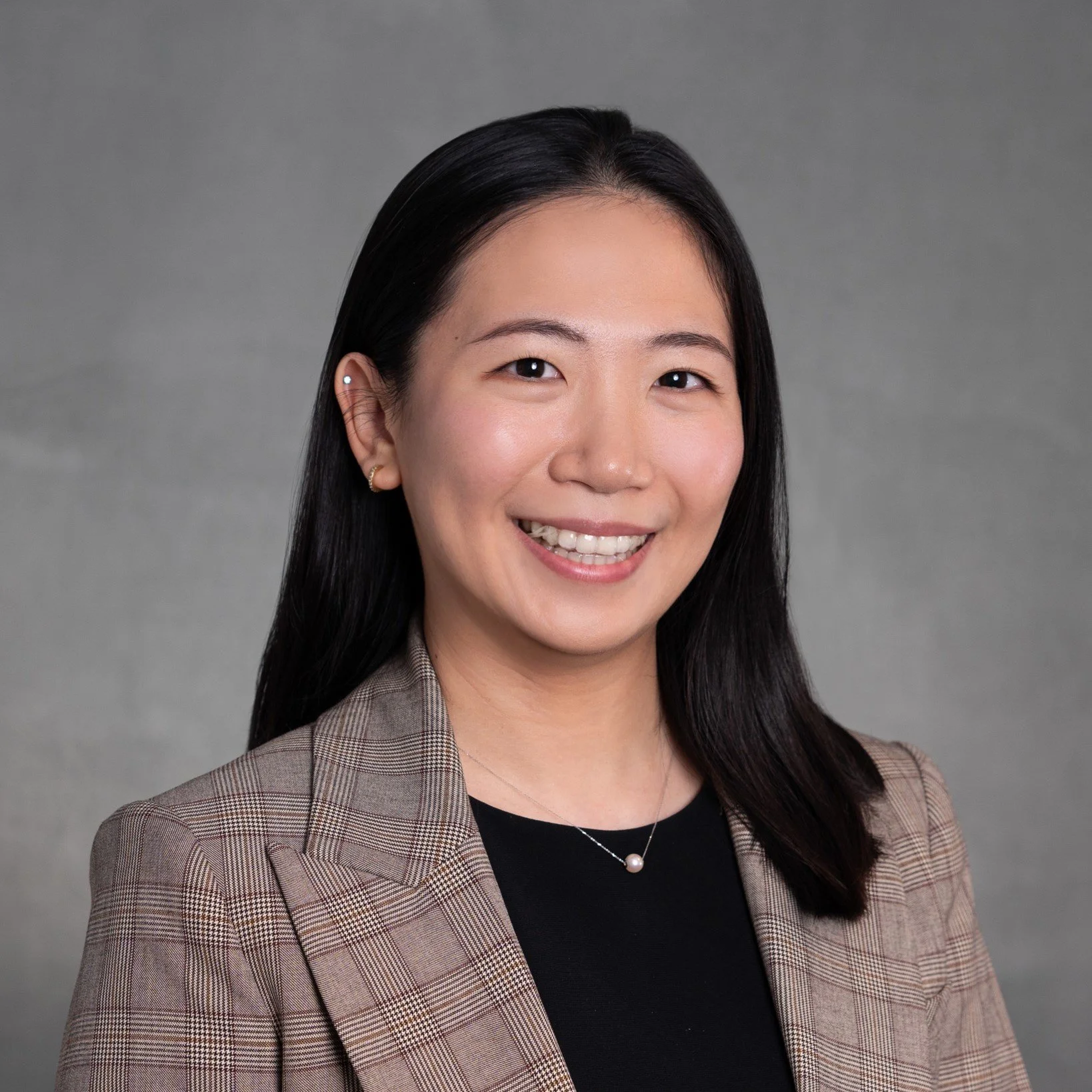

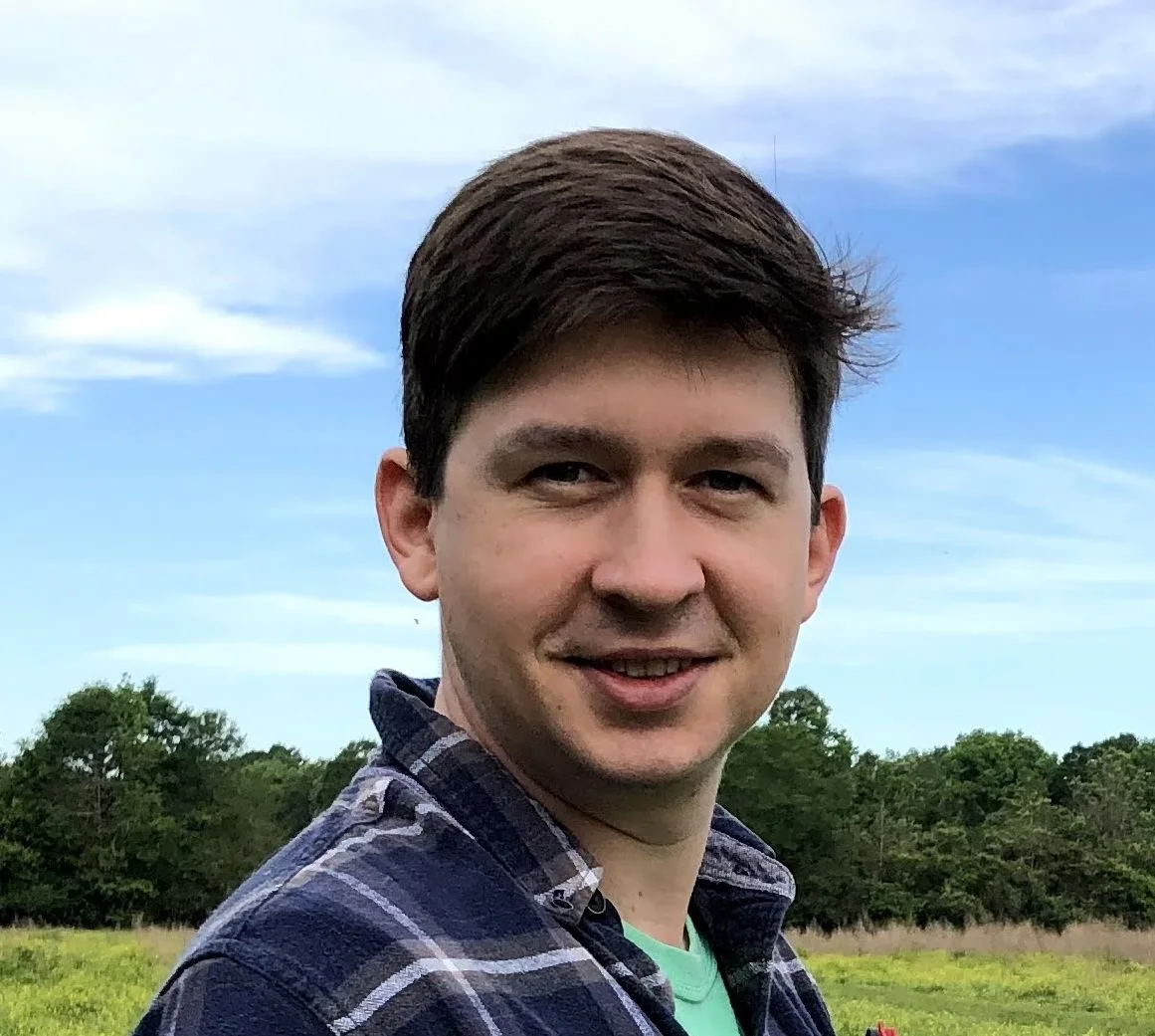
Lisha Lin, PhD, MPH
Post-doctoral Research Fellow, Marcus Institute for Aging Research
Dr. Lin's research primarily focuses on leveraging high-dimensional whole-genome sequencing and other omics data to uncover the molecular mechanisms underlying complex aging-related diseases such as cardiometabolic diseases, chronic inflammation, and musculoskeletal disorders. Her previous work thoroughly examined the interplay between epigenetics and sociodemographic factors across the life course in both older adults and children and adolescents.
Trained as a genetic epidemiologist, Dr. Lin earned her BM in Preventive Medicine from Guangzhou Medical University, her MPH in Epidemiology, and her PhD in Epidemiological Science from the University of Michigan.
Wei-Zhi Lin, PhD
Post-doctoral Research Fellow, Marcus Institute for Aging Research
Dr. Lin’s research involves the development of AI model to predict aging-related trajectories in various exposure scenarios, utilizing data from genetics, electronic medical records, medical imaging, or medication exposures. His previous work contributed to establishing a quality management system for software-as-medical-devices and preparing de novo investigational device applications at Tri-Service General Hospital (Taipei, Taiwan).
He obtained his BS in Life Science and MS in Biotechnology from National Dong-Hwa University (Hualien, Taiwan), where he participated in the development of nanoparticles for drug delivery systems. He completed his Ph.D. training in molecular biology and bioinformatics at National Defense Medical University (Taipei, Taiwan; formerly known as National Defense Medical Center), focusing on post-Genome Wide Association Studies analysis and developing pipelines for drug repositioning.
Keller McKowen, PhD
Post-Doctoral Research Fellow
Dr. McKowen’s research leverages big data to investigate molecular mechanisms of the diseases of aging. This work involves the integration of complementary genomic datasets, meta-analysis of public datasets, and application of updated analytical techniques. Current projects aim to predict the impact of disease associated mutations in non-coding regulatory DNA elements. Additionally, using single cell technology, we can investigate the response to disease and aging on specific populations of cells, their interactions, and identify potential targets for testing or therapy.
Keller obtained a BS in Biological Science from Louisiana State University (Baton Rouge, Louisiana), where he was trained in Molecular Genetics. He returned to LSU to complete a Ph.D. in Biological Sciences, with a focus on Bioinformatics. There he investigated the role of chromatin dynamics in enhancer-promoter interactions using fruit flies as a model.